Hand Painted Porcelain Dishware


When I saw a post on — where else — Pinterest, for using something called a porcelain pen on china that you then bake in the oven and it becomes permanent, I thought to myself  I had to try that. I found one brand called DecoArtGlass Paint Marker at Joan’s Craft Stores, and I found the Uchida DecoColor Opaque Paint Market at my local Jerry’s Artarama, but any opaque oil-based paint marker should work.

Now why weren’t these pens around 16 or 17 years ago?

When Amanda was young, maybe 5 or so, for her birthday party I asked each child what their favorite book was on the invitations. For their party favor, I used one of those kits where I drew my picture freehand on the melamine plate they provided and send it into the company where they somehow treat it and made the design permanent. At the party the children got to use their new plate for the birthday cake, and then they got to take it home and use it again and again. For years after that moms would stop me to say that their child still used that plate all those years later.

I was so excited when I looked and found I still had some of these plates tucked away.
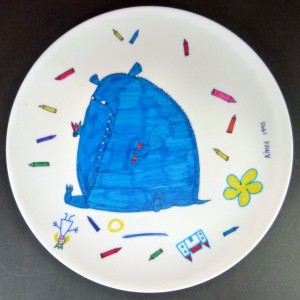
A picture from the book The Strange Blue Creature by
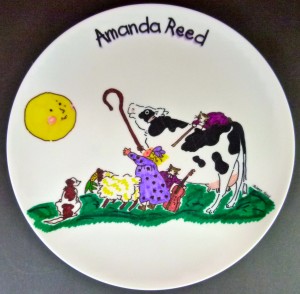
And to prove how old I'm getting, I cannot even remember the name of this book!

And I must have done this plate for India's 4th birthday.

The problem with a project of this magnitude, just like the dreaded “Lunch Bags” became, is that while they were pretty significant undertaking with one child, they were impossible to tackle when I had two, let alone when 2 turned into 4. My younger kids still feel like they got the short end of the stick in life because they didn’t get hand-painted lunch bags to take to school every day or custom cake plates to send home with their friends at their birthday parties.  So use this page for inspiration, or for a good laugh. Oh, and if you actually manage to paint custom lunch bags or plates as party favors and you have more than one child, drop me a note because I want to personally tell you that you are amazing.

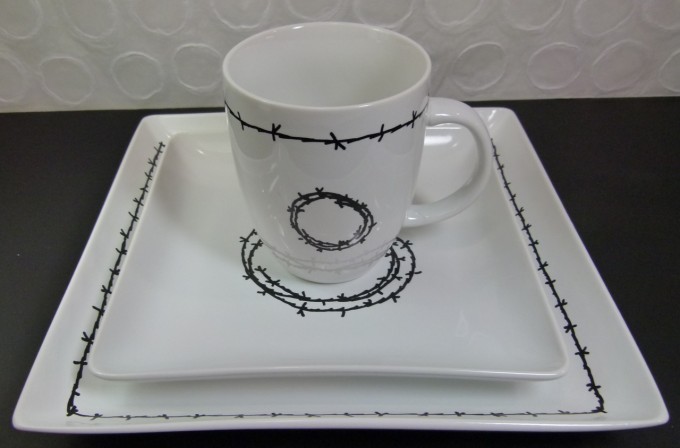
So I bought  dinner plate, salad plate and coffee cup at Target. Simple white porcelain. Dishwasher and microwave safe. I removed all stickers and washed it well. I knew I wanted a simple design. While the pens claim to be “fine point”, it would be hard to do something very detailed with one on a plate. I chose barbed wire for some strange reason. Must  be the Wyoming in me. I went to the trust internet and printed out some images of barbed wire so I had a general idea of what it should look like in detail, measured the area where I wanted it on the plate, and drew the design to fit the areas. I did 4 separate strips of wire to go around the outside of the dinner plate. I used the same sized circular wire design on the center of both plates, but shrunk it on my printer/copier for the coffee cup layout. The circular wire around the top edge of the coffee mug I did freehand.

A technique I learned the hard way while teaching myself to do linoleum cutting is to use paper, a #2B or #4B art pencil and a bone folder to transfer designs easily onto another surface. What is a bone folder you ask? I did too. Sounds like something a serial killer keeps in his handy tool kit, doesn’t it. Well, it looks a bit like a letter opener and it is actually made out of bone. You can find it at most craft or art supply stores.
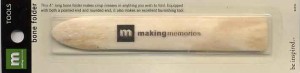

It’s such a simple concept, yet when I first realized I could transfer images this way I felt like crying at all the time I’d wasted using other methods.

Take your pencil drawn design and lay it in the desired area on the porcelain piece. Tape it securely down all around. Using the bone folder, rug all over the image, pressing firmly. Lift a corner to see if design has transferred, and if not, rub the image some more until you can see the image pretty clearly. Now I did find that it was hard to transfer onto the porcelain surface, but it did transfer lightly, which was all I really wanted in this case. This method works great when transferring my designs onto linoleum.
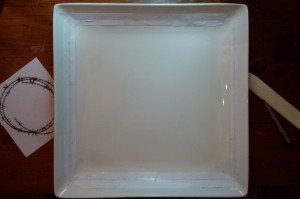
Design is taped around outside edge of plate.
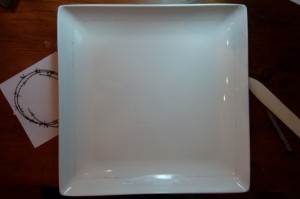
Design is transferred onto plate with bone folding tool.


Then I just took a black porcelain pen and carefully traced over my design. The paint dries pretty quickly, but use caution not to smudge anything.
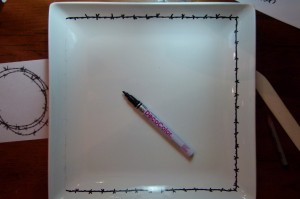
Using the pen, I just drew over the transferred pattern, being careful not to smudge anything.


I used the same method to transfer the center design when the outside was dry.
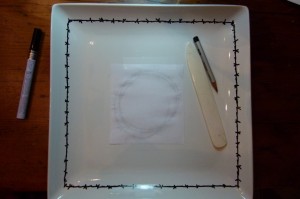
Transfer the design with a bone folding tool.
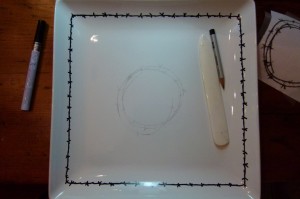

The transferred design.
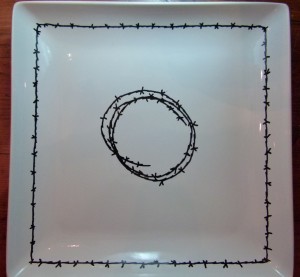

The finished plate.


I just continued this with the salad plate and the mug until I had a finished set.
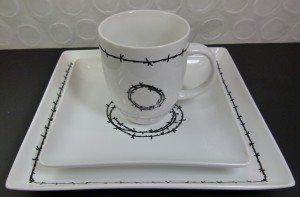
The finished set.


Now in my spare time I just have to do 5 more sets.
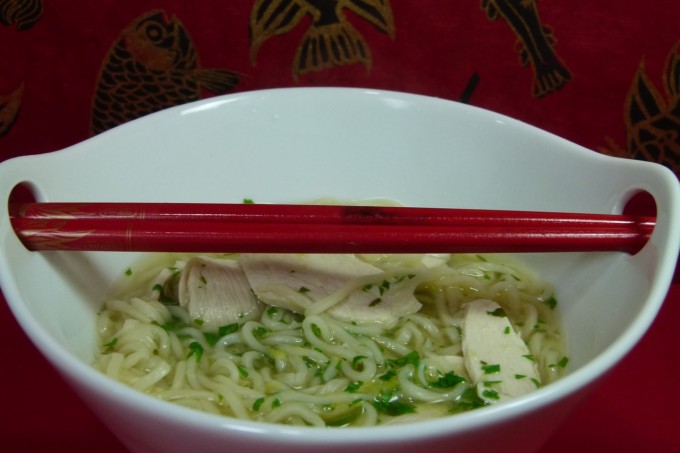
Lemony Chicken Noodle Soup with Ginger, Chile & Cilantro

Lemony Chicken Noodle Soup with Ginger, Chile & Cilantro

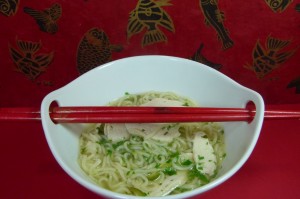
When we get our first hint of cooler weather I all of a sudden have an uncontrollable urge to cook like a madwoman. I’ve cooked a bunch of things this week, but soup has been really compelling. First was the curried carrot soup in the previous post, and now is a delicious, and pretty quick, chicken noodle soup with an Asian twist to it. Once the prep work was completed, the soup was cooked, start to finish, in maybe 10 minutes!

My twins were away on a school trip, my husband was away on a bike trip, and Amanda’s back at college, so it was just India and me. A strangely quiet house for a mom used to chaos most of the time. India, however, is by far my pickiest eater, and I thought the fish sauce called for in here might throw her, so I opted to omit it. If you’ve got picky eaters you might do the same, but you will need to compensate by salting the soup. I also thought a good dose of pepper was a necessary addition, although white pepper might be more appropriate than black. Fish sauce varies in its saltiness from brand to brand. So it’s a good idea to prepare the soup with the modest amount specified in this recipe, and then at serving time, pass around the fish sauce so people can season their portions with a touch more if they wish.

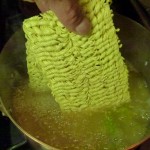
The original recipe called for 4 oz. fresh Chinese egg noodles (they said to look in the produce section of your supermarket). While I have seen these in supermarkets many times before, of course there were none to be found at the market I was at today. I substituted a 5 oz. package of Japanese Curly Noodles (Chuka Soba), which looks just like the dried noodles you get in a package of ramen noodles. These seemed to work perfectly well, but I did cook them a little less than the fresh noodles called for.

Lemony Chicken Noodle Soup with Ginger, Chile & Cilantro

From Fine Cooking #77, p. 56, February 1, 2006. Altered (slightly) by Crafty Farm Girl, September, 2011.

Yields 7 cups, serves four.

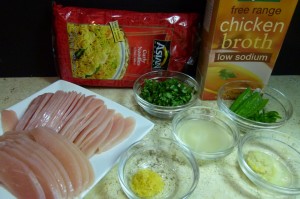
1 lemon
1/4 cup chopped fresh cilantro
1 tsp. finely grated fresh ginger
2 serrano chiles, stemmed, halved, and seeded
6 cups homemade or canned low-salt chicken broth
5 oz. Japanese Curly Noodles (Chuka Soba), or 4 oz. fresh Chinese egg noodles
2 Tbs. fish sauce (preferably Thai Kitchen brand); more to taste (optional, see above)
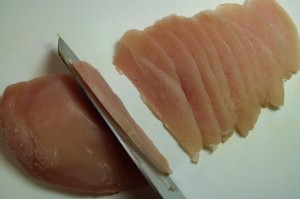
1 boneless, skinless chicken breast half, cut into 1/4-inch-thick slices (this is easier if the chicken is partially frozen)

Chicken is so much easier to slice thinly if you partially freeze it first.


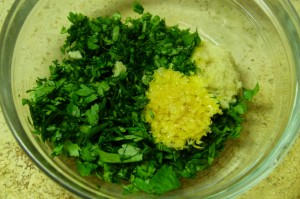
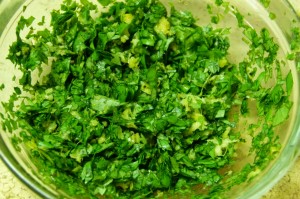
Finely grate 1 tsp. of zest from the lemon and put in a small dish. Add the cilantro and ginger, and mix together. Cut the zested lemon in half and squeeze it to obtain 3 Tbs. of juice. Thinly slice two of the chile halves crosswise.


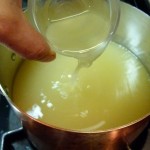
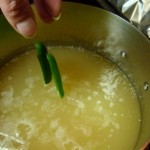
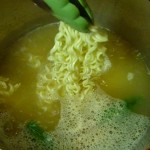
In a large saucepan, bring the broth to a boil over medium-high heat. Add the lemon juice, fish sauce (if using), and the 2 remaining chile halves to the boiling stock. If you are using fresh Chinese egg noodles then you’ll add those now. If you are using the dried noodles, reduce the heat, cover, and simmer about two minutes. Add the noodles, cover, and cook the soup until the noodles are almost cooked, about 3 minutes.


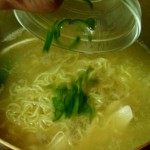
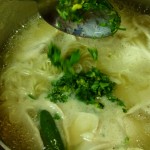
Remove the chile halves. Stir in the chicken and chile slices and return to a boil. separate the slices with two forks if necessary while they’re cooking. Remove the pan from the heat, making sure the chicken slices are just cooked through. Taste and add a touch more fish sauce, if you like. Divide the soup evenly among four serving bowls. Divide the cilantro mixture among the bowls, stir, and serve. (I did add a bit of the mixture to the pot of soup, and then divided the rest among the bowls of soup.)


Print This Recipe Print This Recipe

Lemony Chicken Noodle Soup with Ginger, Chile & Cilantro

From Fine Cooking #77, p. 56, February 1, 2006. Altered (slightly) by Crafty Farm Girl, September, 2011.

Yields 7 cups, serves four.

1 lemon
1/4 cup chopped fresh cilantro
1 tsp. finely grated fresh ginger
2 serrano chiles, stemmed, halved, and seeded
6 cups homemade or canned low-salt chicken broth
5 oz. Japanese Curly Noodles (Chuka Soba), or 4 oz. fresh Chinese egg noodles
2 Tbs. fish sauce (preferably Thai Kitchen brand); more to taste
1 boneless, skinless chicken breast half, cut into 1/4-inch-thick slices (this is easier if the chicken is partially frozen)

Finely grate 1 tsp. of zest from the lemon and put in a small dish. Add the cilantro and ginger, and mix together. Cut the zested lemon in half and squeeze it to obtain 3 Tbs. of juice. Thinly slice two of the chile halves crosswise.

In a large saucepan, bring the broth to a boil over medium-high heat. Add the lemon juice, fish sauce (if using), and the 2 remaining chile halves to the boiling stock. If you are using fresh Chinese egg noodles then you’ll add those now. If you are using the dried noodles, reduce the heat, cover, and simmer about two minutes. Add the noodles, cover, and cook the soup until the noodles are almost cooked, about 3 minutes.

Remove the chile halves. Stir in the chicken and chile slices and return to a boil. separate the slices with two forks if necessary while they’re cooking. Remove the pan from the heat, making sure the chicken slices are just cooked through. Taste and add a touch more fish sauce, if you like. Divide the soup evenly among four serving bowls. Divide the cilantro mixture among the bowls, stir, and serve. (I did add a bit of the mixture to the pot of soup, and then divided the rest among the bowls of soup.)

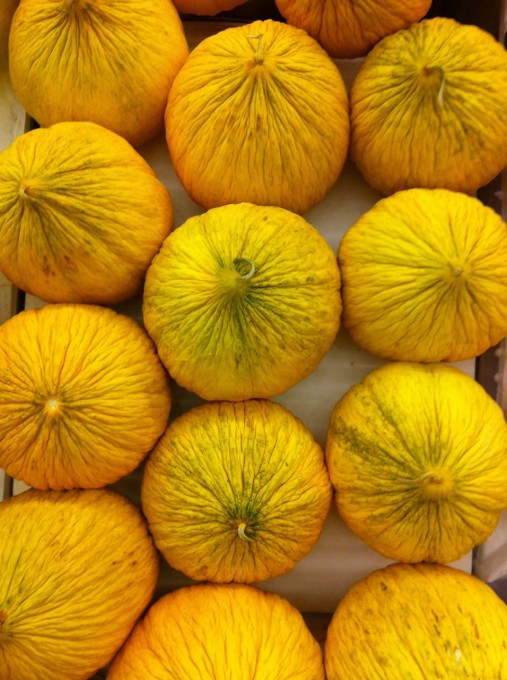
Casaba Melons

I've got this strange fascination going on with the melon displays at the new Fairfway Market in the next town. There are so many exotic melons there, and these Casaba's are particularly intriguing. I suppose I'm just going to have to go back and buy one of each so I can taste how delicious each beautiful kind is.

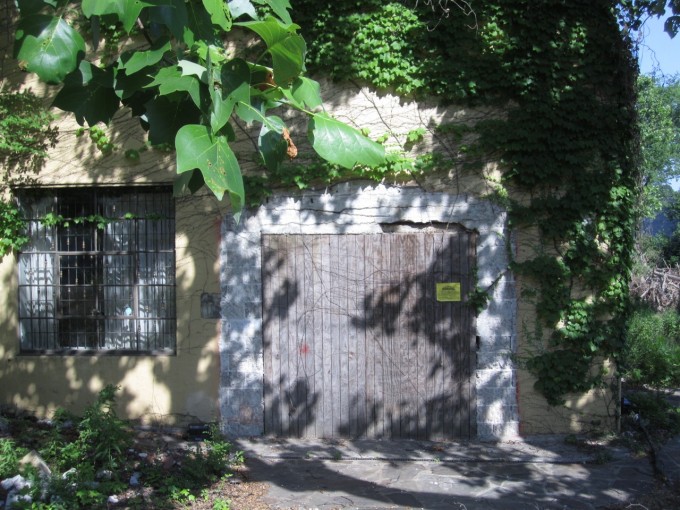
Shadows & Light

I took this photo in May when I was in Atlanta with my sister. I went for a walk in a warehouse neighborhood one late afternoon and came across this place. I loved all the shadows and light.

Grounded

I came across this grounded boat in the middle of a field in Iowa. How strange. But I liked it.

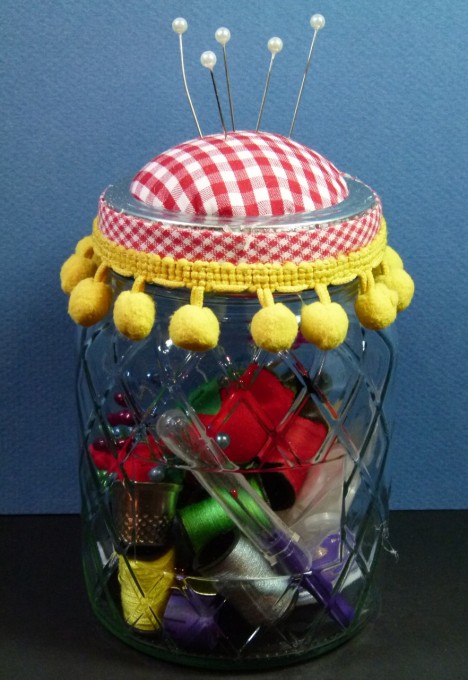
Sewing Kit in a Canning Jar

Canning Jar Sewing Kit

How cute are these little things. Sewing kits you make from canning jars! What a great idea as a little gift for someone going away to college, to live in their first apartment, or maybe for some freshly divorced guy who will have to sew his own buttons on his shirts? You could assembly line a dozen of these before the holidays and have them handy as hostess and last-minute gifts.
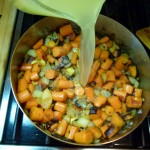
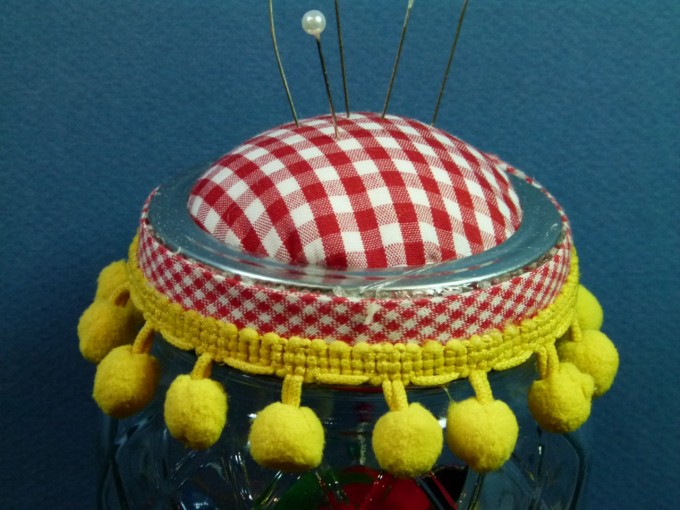
Another thing I saw on Pinterest, it originally came from Martha Stewart. I decided to dress mine up even more with the checked bias tape around the edge of the jar lid and the fancy dangly pom-pom’s. I found everything I needed to make them; fabric, trims, and basic sewing kit, all at Wal-Mart.
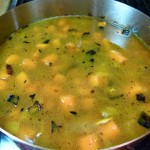
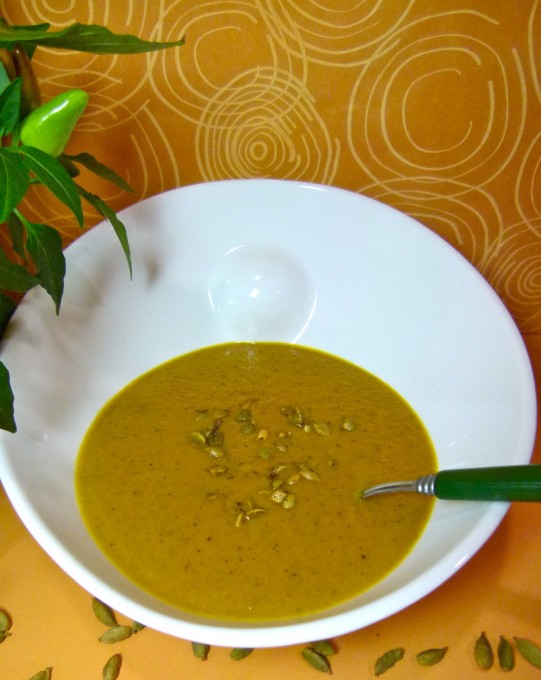
Curried Carrot Soup with Spiced Pepitas


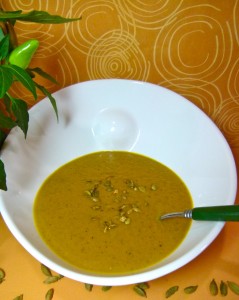
I am picky about what vegetables I eat readily. I’ll admit it. Carrots are one of them. I love raw carrots, and so does my dog, Bullet. Whenever I eat them he’ll sit next to me and we’ll share it. Don’t worry — I break off pieces for him, we don’t gnaw on the same carrot together. However, I’m not a huge fan of cooked carrots. My friend Justine made some oven roasted carrot fries for me one day that were great, and roasted but not overcooked to the point of being mushy carrots I can eat. Well, you get the point. I’m picky.

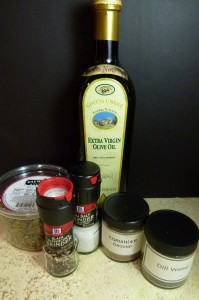
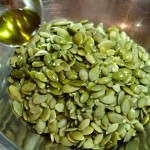
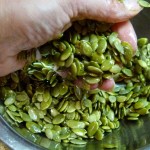
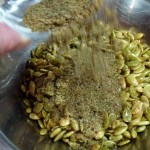
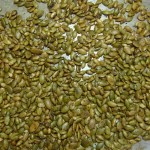
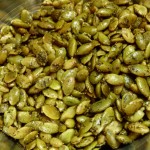
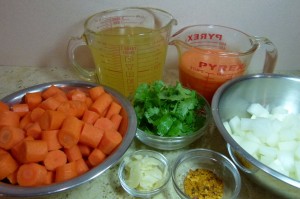
I would not order a carrot soup in a restaurant. However, I recently bought Fine Cooking’s Soups & Sandwiches special interest publication, and there are some mighty tasty looking soups in there. One of them is a Curried Carrot Soup with Cilantro. Now this actually looked like a carrot soup I would like. First of all anything curry flavored is good to me, and add cilantro and it’s just about guaranteed I’ll like it. The original recipe called for using 1 teaspoon of sweet curry powder, but I wanted my soup to be a little spicy, so I used a spicy curry powder , and the teaspoon didn’t seem nearly enough, so I ended up using 2 teaspoons. The original recipe also called for using chopped peanuts as an optional garnish. However, in the front of this same publication were some recipes for soup toppers, and one of them was for roasted pepitas. You roasted raw pepitas (hulled pumpkin seeds) in the oven with olive oil and then toss with ground coriander and dried dill. I thought this sounded like a more interesting garnish for this soup than chopped peanuts. When I made my pepitas though I decided to add a 1/2 teaspoon of ground cumin as well.

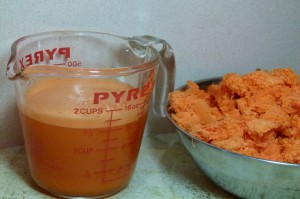
The recipe also called for fresh carrot juice. Normally I can find this in my grocery store but of course when I needed it they didn’t have it. This gave me the perfect opportunity to drag my seldom-used juicer out of the basement which was kind of fun, and the carrot juice was certainly fresh and beautiful. The chickens enjoyed the peelings and juicer leftovers too.


I thought this really came out great. While it’s not a soup that qualifies as a meal, it’s a good lunch soup or a starter soup for a dinner. It was refreshingly different from what one expects of a carrot soup. Hey, even I ate it.

Spiced Roasted Pepitas

Original recipe from Fine Cooking’s Soups & Sandwiches, altered slightly by Crafty Farm Girl, 2011.

Yields 1 cup.

1 cup large raw pepitas (pumpkin seeds)
1 tsp. olive oil
1-1/2 tsp. ground coriander
1/2 tsp. ground cumin
3/4 tsp. kosher salt
1/2 tsp. dried dill
1/4 tsp. freshly ground black pepper
Pinch cayenne (optional)


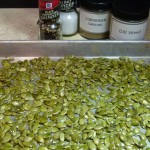
Position a rack in the center of the oven and heat the oven to 325°F. Toss the seeds with the olive oil on a baking sheet large enough to hold them in a single layer. Spread in an even layer and roast the seeds in the oven, stirring occasionally, until golden, 13 to 15 minutes.


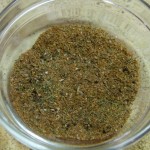
Remove the pan from the oven and immediately put the pepitas in a bowl and toss the seeds with the coriander, salt, dill, pepper, and cayenne, if using. I put them back onto the baking sheet again and baked for an additional 2 minutes. Let cool for 10 minutes.


Transfer to a small serving dish or two and serve. (If you’re working ahead, refresh the pepitas for a minute or two in the oven before serving).

nutrition information (per serving):
Size : per Tbs.; Calories (kcal): 50; Fat (g): 4.5; Fat Calories (kcal): 40; Saturated Fat (g): 1; Protein (g): 2; Monounsaturated Fat (g): 1.5; Carbohydrates (g): 2; Polyunsaturated Fat (g): 2; Sodium (mg): 90; Cholesterol (mg): 0; Fiber (g): 0;

Curried Carrot Soup with Spiced Pepitas

Original recipe from Fine Cooking‘s Soups & Sandwiches, altered slightly by Crafty Farm Girl, 2011.

Serves 4 to 6

2 Tbs. vegetable oil
1-1/2 lb. carrots, cut into 1-inch chunks (about 4 cups)
1 large yellow onion, cut into 1-inch chunks
3 large cloves garlic, thinly sliced
2 tsp. spicy curry powder
3 cups lower-salt chicken broth (I ended up using about 3-1/2 cups to get it thin enough)
Kosher salt
1-1/2 cups carrot juice; more as needed
1/4 cup packed fresh cilantro leaves
Freshly ground black pepper


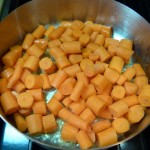
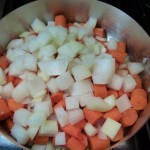
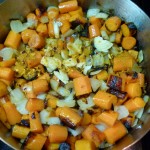
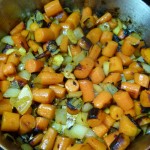
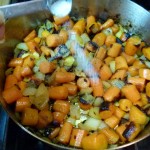
Heat the oil in a 10- or 11-inch straight-sided sauté pan over medium-high heat until hot. Add the carrots and then the onion. Cook, stirring very little at first and more frequently towards the end, until the vegetables are golden brown, 6 to 10 minutes.

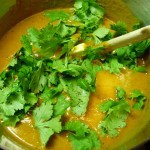
Add the garlic and curry and cook, stirring, for about 30 seconds. Add the carrot juice and cilantro.


Add the broth and 1/2 tsp. salt and bring to a simmer over medium-high heat. Reduce the heat to low, cover, and simmer until the vegetables are very tender, 10 to 15 minutes.


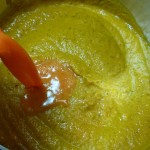
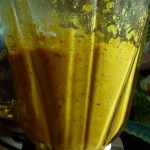
Now I messed up here. That’s what happens when you don’t read the recipe carefully. It seemed to have worked out just fine, but I’ll tell you what I did. I added the garlic and curry and cooked for 30 seconds. Then I added the salt and chicken stock. I did not add the carrot juice and cilantro at this point. I didn’t add it until after I pureed it, which was stupid because then in order to not have big cilantro leaves in there I had to re-puree it in the blender after I added the carrot juice and cilantro. What I probably would do next time is add the carrot juice and cilantro after I had simmered the stock and before I pureed it. Lesson learned.


Purée the soup in a blender, working in two batches and making sure to vent the blender by removing the pop-up center or lifting one edge of the top (drape a towel over the top to keep the soup from leaking).


Return the soup to the pan, heat through, and season to taste with salt and pepper. If necessary, add more carrot juice to thin to your liking. Ladle into bowls and serve, sprinkled with the spiced pepitas.


nutrition information (per serving):
Size : based on six servings; Calories (kcal): 140; Fat (g): 6; Fat Calories (kcal): 50; Saturated Fat (g): 1; Protein (g): 4; Monounsaturated Fat (g): 2.5; Carbohydrates (g): 21; Polyunsaturated Fat (g): 2.5; Sodium (mg): 230; Cholesterol (mg): 0; Fiber (g): 4;

Caramel-Nut Cinnamon Buns

Here’s another recipe I found on the King Arthur Flour Catalog’s website. They looked so good I had to try them. I wish mine had gotten that big popped up top like there’s did in the picture, but they didn’t and they still tasted amazing.

King Arthur Flour's Carmel-Nut Cinnamon Buns

The only thing I changed in the recipe was to add a little bit of their Sticky Bun Sugar along with the Baker’s Cinnamon Filling. Even though I didn’t add more than 2 tablespoons or so, I did seem to notice the difference in the buns.

caramel-nut cinnamon buns

Ingredients:

dough

  • 1 1/4 cups lukewarm water
  • 3 1/2 cups King Arthur Unbleached All-Purpose Flour
  • 2 tablespoons grape seed flour, optional, for extra antioxidants
  • 3 tablespoons Baker’s Special Dry Milk or nonfat dry milk
  • 2 tablespoons sugar
  • 3 tablespoons butter
  • 2 teaspoons baking powder
  • 1 1/4 teaspoons salt
  • 2 teaspoons instant yeast
  • 2 teaspoons Buttery Sweet Dough Flavor or vanilla extract
  • filling

    • 1 cup Baker’s Cinnamon Filling* mixed with 1/4 cup water
    • 2 tablespoons Sticky Bun Sugar, optional
    • 1 cup chopped walnuts, optional
    • 1/2 cup caramel bits, optional
    • *Or substitute 6 tablespoons butter, 1 cup brown sugar, and 3 tablespoons ground cinnamon for the Baker’s Cinnamon Filling mix and water (don’t add water if you make this substitution).
    • glaze

      • 1/2 cup caramel bits, block caramel, or unwrapped vanilla caramel candies
      • 3 tablespoons heavy cream or half & half

      • Directions:

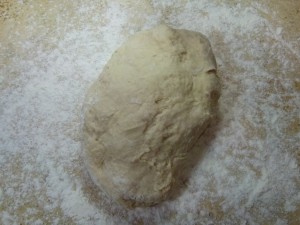
        Combine all of the dough ingredients, and mix and knead them together — by hand, mixer, or bread machine — until you’ve made a soft, smooth dough.

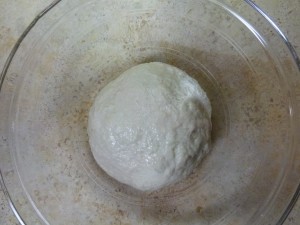
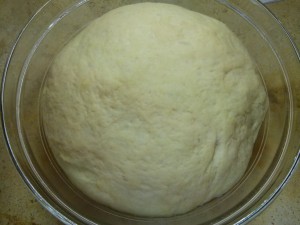
        Cover the dough, and let it rise for 1 hour, or until puffy. Note: I very lightly oiled my dough before covering to rise.


        While the dough is rising, lightly grease 12 muffin cups, or a baking sheet.

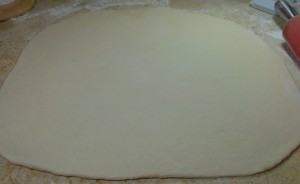
        Gently deflate the dough, and roll it into an 18″ x 18″ square.


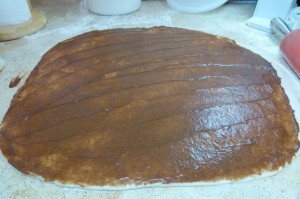
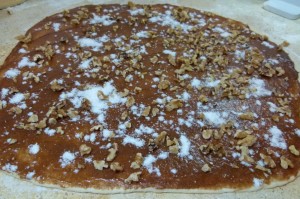
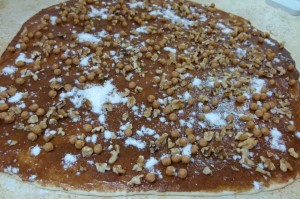
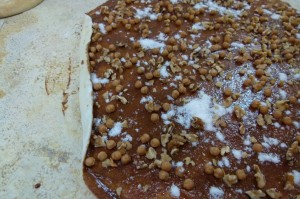
        Spread with the prepared cinnamon filling, the optional sticky bun sugar, if using, then sprinkle with the chopped nuts and caramel bits, leaving an uncovered strip about 1″ wide along one side.


        Roll into a log starting with a filling-covered end opposite the unfilled end. If you want the buns to pop like a corkscrew, as shown in the picture, roll the dough tightly, stretching the dough as you roll it up.


        Slice the log into 12 pieces; if your knife sticks, dip it in hot water between cuts. Or use dental floss to cut the dough.

        Place the buns in the prepared muffin pan, or space them on a baking sheet.


        Cover, and let the buns rise until puffy, about 60 minutes. Towards the end of the rising time, preheat the oven to 350°F.


        Bake the buns for 20 to 24 minutes, until they’re a light golden brown.


        Remove them from the oven, and place on a rack to cool slightly, while you make the glaze.

        Melt the glaze ingredients together over low heat or in a microwave, stirring until smooth. Spoon over the buns.


        Serve warm, or at room temperature.

        Yield: 12 buns.

        Print This Recipe Print This Recipe

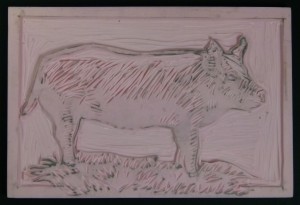
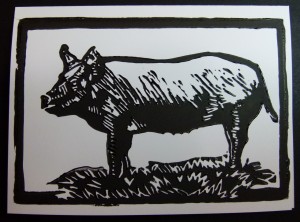
        Pig Linoleum Print

        I did another linoleum cutting for a card to be added to my “farm” series of prints.

        I was feeling a little overwhelmed by life the other day. I had so many projects I wanted to do I didn’t know where to start. So I didn’t. Instead, I sat down and cut this guy out. I’d drawn him out a while ago. I find this work so relaxing and calming.

        I love the way he came out.


        Glorious Peacock

        This magnificent peacock was putting on a show for my family in Costa Rica last year.