I’m Going Back to School

On Friday morning my sister and I will fly down to Atlanta and then drive 3 hours or so to westernmost North Carolina to the John C. Campbell Folk School. We’ve both been receiving their catalogs for a few years now and have talked and talked about going together to take a class. I finally called her about 6 months ago and said “Let’s just do it – let’s pick a weekend and go.” So we did. We are really excited to be going and I’m hoping to find lots of great picture-taking opportunities on the drive there.

Most of their classes are week-long events, but they do offer a pretty wide variety of courses over weekends.
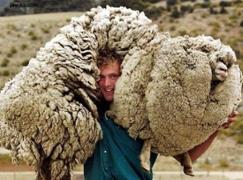
A Very Wooly Sheep Going to be Sheared


I will be taking “Introduction to Spinning” which will teach me how to evaluate a fleece in terms of spinning, wash, dry, pick, card, and spin. I’ll start spinning on a drop spindle and graduate to a spinning wheel. I’ve always wanted to learn how to do this. In fact I have a garbage bag full of fleece that my farrier in Wyoming sheered off his sheep that I can practice with once I get home.
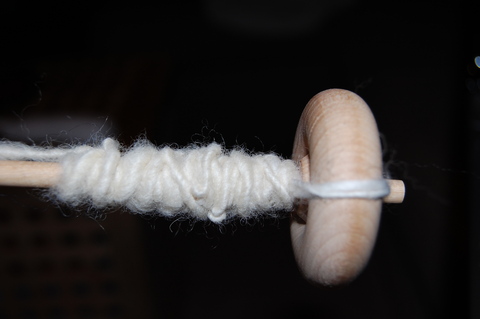
Spinning Wool with a Drop Spindle
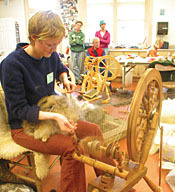

Spinning Wool on a Spinning Wheel
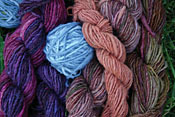

Hand Spun and Naturally Dyed Yarn


My sister will be taking “Basic Bowls and Beyond” which will teach her woodturning on a lathe. This is something that I have just learned myself and will post about soon. My son, Evan, and I have been turning pens like crazy. It’s tons of fun.
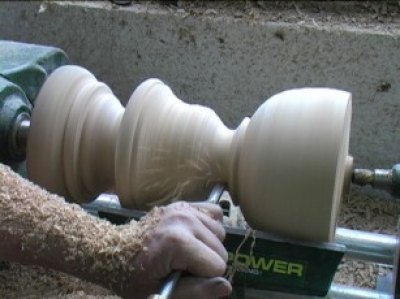
Turning Wood on a Lathe


Anyway, she’ll learn about wood selection and blank preparation. Get experienced in tool sharpening, tool use on the lathe, and other studio equipment. Techniques for turning bowls safely and efficiently, texturing and finishing. How fun! It’s totally out of her normal range of art (she’s a polymer clay artist), so I can’t wait to see what she makes!
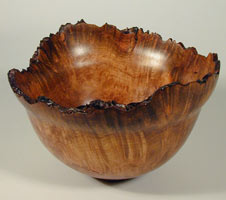
A Turned Wood Bowl Made on a Lathe


I figure learning how to spin wool will be my excuse to add some sheep to the flock and get rid of the lawnmower!
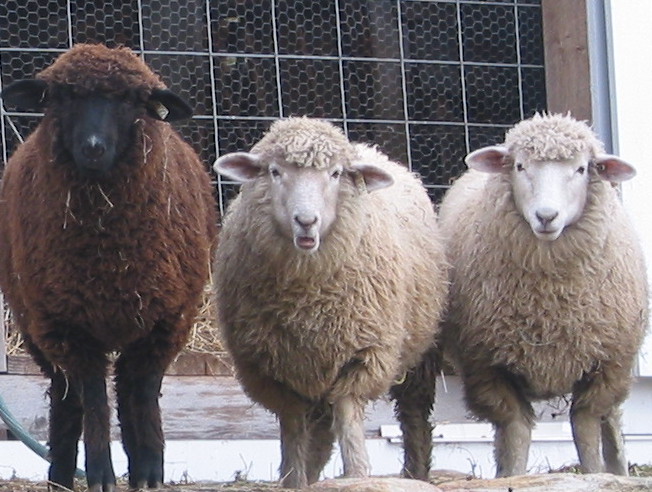
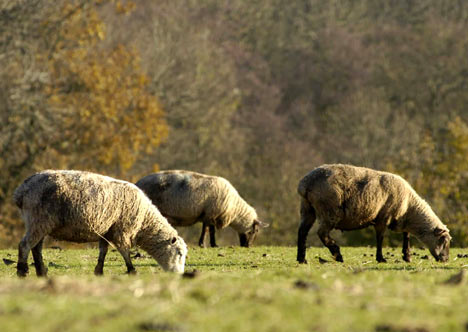


I’ll be back on Sunday night and will post about my adventures there next week.
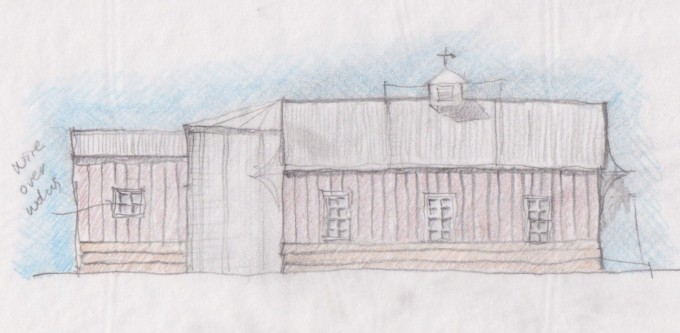
Designs for a New Goat House & Coop

As you may have read in my last farm post “Everybody’s In The Dog House“, my goats have been booted from their home by the chickens and are now living in a (very) large dog house. Now normally (although they were not initially very happy about it) this is not a bad living situation for them, but with all of the snow we’ve been getting lately I feel just terrible. There’s a virtual blizzard out my window right now as I write this, and they seem to be coming on an almost daily basis, which is highly unusual for normal Connecticut winters. Plus, they will both (hopefully) have kids come May so I need some suitable housing ASAP.
The point here is that’s it’s forced the issue of getting a larger facility built.

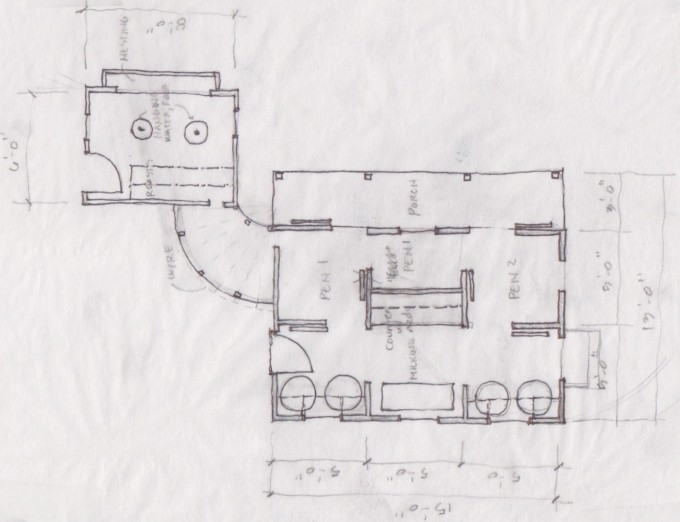
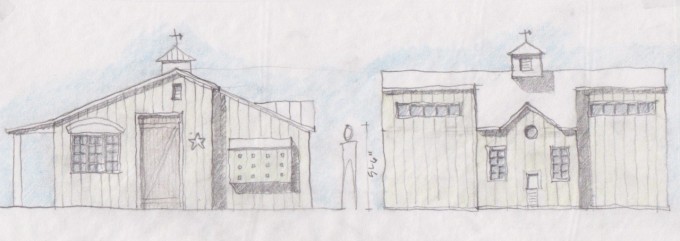
One of my best friends, Michelle, is an architect. She also happens to be out of work at the moment thanks to this economy. Since I can’t add one more morsel of work to my schedule, I realized that this would be perfect for Michelle to design. I think she’s enjoying it, and she’s learning more about small hobby farming than she ever thought she’d want to know!

We spoke last Friday to talk about what I had in mind as far as design and the specifics needs that I had, and she came over yesterday with three initial concept!. I’m just so excited about everything that she did I have to show you.

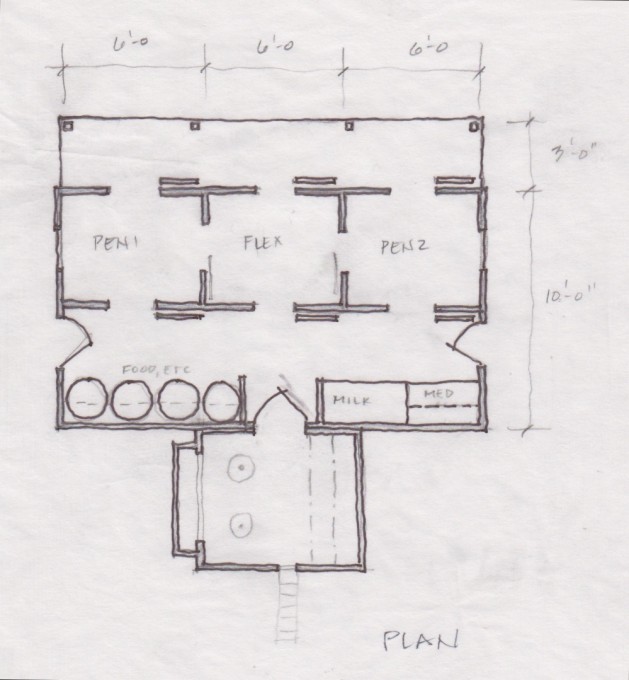
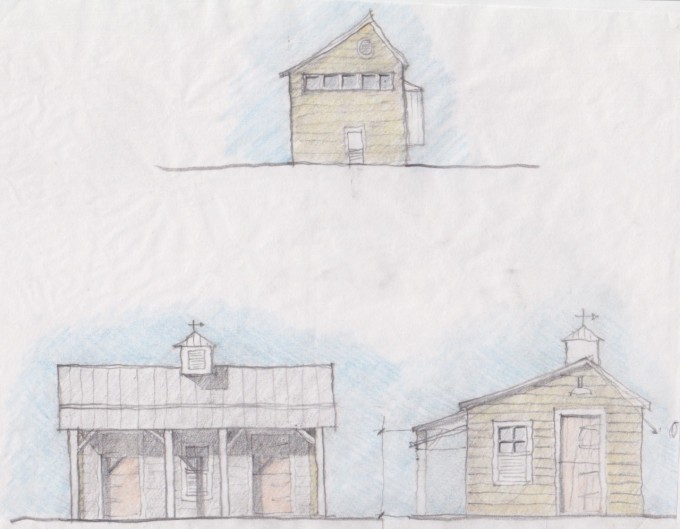
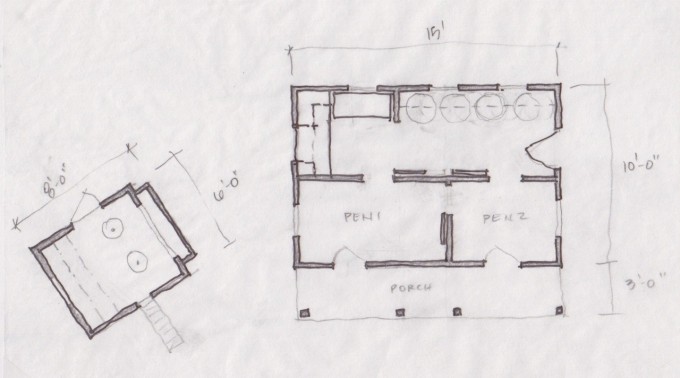
Now although they look like grand ornate barns, the chicken coop will be 8’x10′ and the goat barn will be 15’x10′. The best part of it is that we’ll build the goat barn in 3 5’x10′ sections that we can join together, so when I finally convince Jim to move to the real “farm” I can just detach the sections, haul it up onto a truck and take it with me! If I’m going to do this, I’m going to do it right, and I’m taking it with me.

That thing that looks like a silo is really going to be a fenced chicken area, which will be perfect for young chicks and for cover in bad weather. It will also allow the chickens to “visit” the goats, but the door size will not allow the goats to “visit” the chicken coop and eat the food that makes them sick (and fat).

Design #1 with "Silo" Chicken Run


This is the second concept that she came up with:


I love parts of both designs #1 and #2. We discussed revisions today and hopefully by next week we’ll have the basic layout and design complete. I’ll

And although this final concept was never really either of our favorites, I’ll show this one to you too. It was really based on more of a “compound” feeling that a single housing unit.


She did such a great job and I cannot wait to see the final “mix” of the two designs that we discussed today. I’ll share them with you when I get them.

Nests

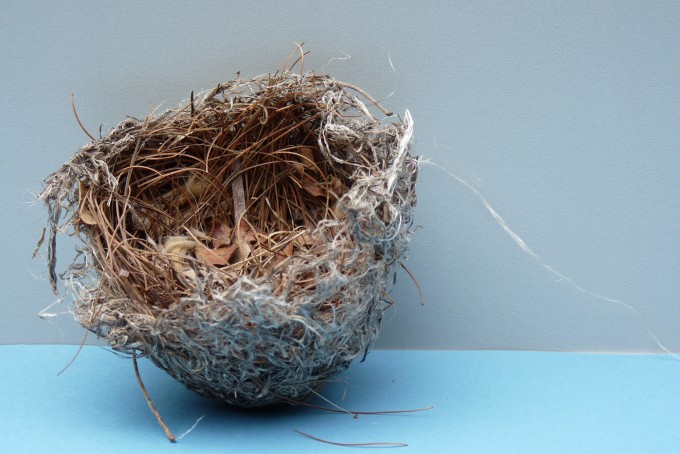
This is one of my favorite photos from my post on Nests

Click here if you’d like to read the original post on Nests, dated May 24, 2010. I’ve got a few new ones that I’ll need to do a new post on one day soon.

Crafty Farm Girl’s Carved Wooden Farm Sign

Now I’ve never carved anything in wood in my life, but recently I got it into my head that I needed a beautiful carved sign to hang in front of my farm (that is once I get my realfarm, not this dinky little thing I call a farm here).

I’ve seen some lovely signs hanging outside of farms. Something for everyone to notice as they are driving by. My farm will need one of those. Signs like these:


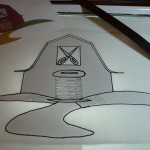
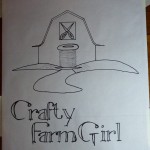
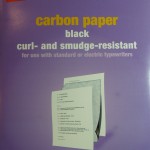
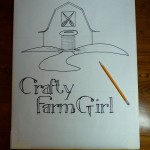
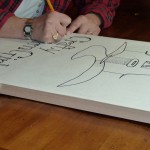
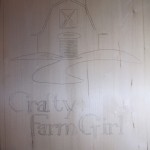
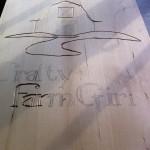
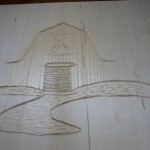
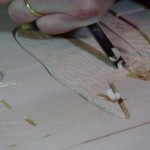
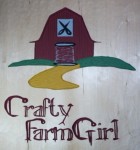
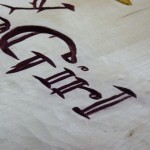
When I went to my local lumberyard they told me they didn’t have a board in the width that I needed and sent me up to the Woodworker’s Store. There they helped me pick out a piece of basswood, which is soft carving wood with very little grain, and I paid a small fee for the shop to glue three lengths together to get the desired size of 18″ wide by 24″ tall. They did an amazing job and you literally could not find the three seams where the boards were joined. Even when I was carving it I couldn’t tell where they were. From there I took my logo to the local Fedex/Kinko’s and enlarged my logo so that it would fit proportionately on the board. Then with my home-made lightbox I used some white craft paper from a roll I have and copied the taped together image onto the one larger pieces of paper. Using regular old carbon paper I pieced four pieces together to get the proper size, laid the copied image over that and taped it onto the board. With a well-sharpened pencil I traced the image onto the wood.


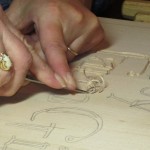
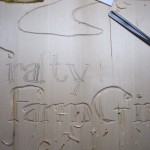
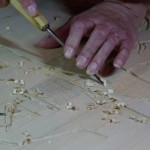
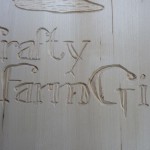
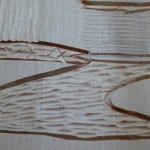
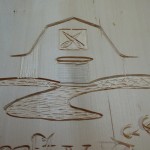
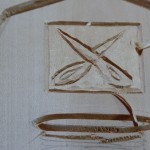
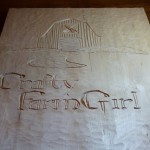
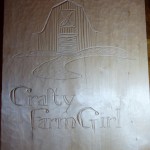
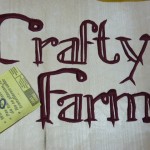
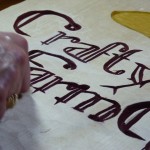
Then using some of the carving tools I’d bought while at the Woodworker’s Store I just started. I had no idea what I was doing, but I generally had a picture in my mind of what I wanted it to look like. It was really fun. It was calming. At the end of the night I would spend a half an hour peacefully working on it. I played with textures and shapes. I love the straight cuts I made to look the barn like siding. I love the way the spool/door looks.

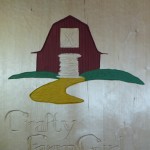
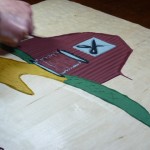
Now I had to paint it. I chose the same colors that were in my Crafty Farm Girl Logo. I used normal craft paint that you can buy at any craft store. The work was very very detailed however, as I wanted the paint only in the actual logo and words and not on the wood as I planned on staining that and keeping it a natural wood color. Luckily my father (a qualifier for the show Hoarders, but he’s working on letting go of stuff) had an old magnifying light that worked perfectly for my needs. I literally couldn’t have painted this without it. I also, thankfully, have tons of paintbrushes in every shape and size.


Then, even with a magnified light there were still parts where the paint came out over the edge of the letters or barn logo, so I had to go in with very fine sandpaper and sand the paint off.


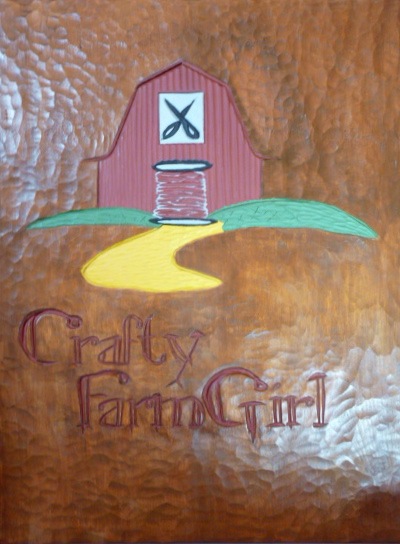
All sanded and ready for stain. The stain came out much darker than I anticipated. I wanted a light finish on it. This may have been that I didn’t use a stain preparation liquid first so the stain just sucked right into the wood quickly.


Anyway, I wasn’t thrilled with it the way it was, so I lightly sanded it which removed some of the color from the high points in the carving, and I liked the way that looked since it showed the texture better.

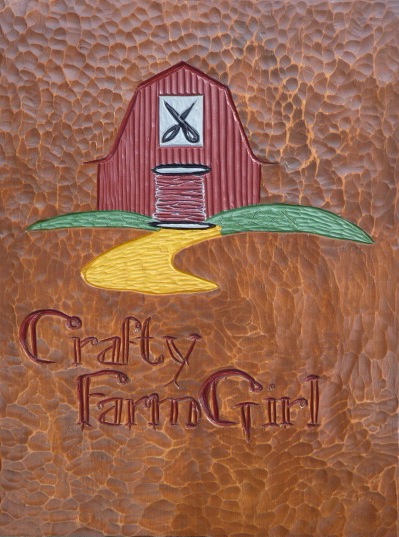
Then I put a very light coat of stain on and multiple coats of polyurethane that I sanded very very lightly with very fine grit sandpaper in-between coats.

Voila

It’s finished for now. I’ve got too many other things on my list, but one day I’ll built a frame of sorts around it like a real farm sign and put at the front of my farm. For now though it was really fun to do and to learn, at least the beginnings, of how to carve.

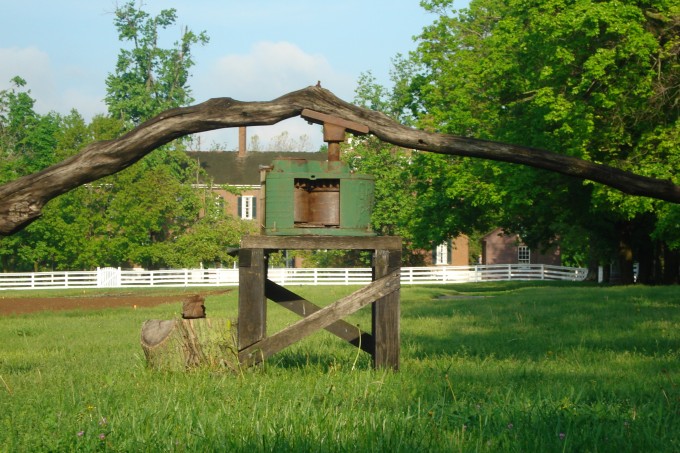
Shaker Pump

This was some sort of a pump system at Shaker Village in Pleasant Hill, Kentucky

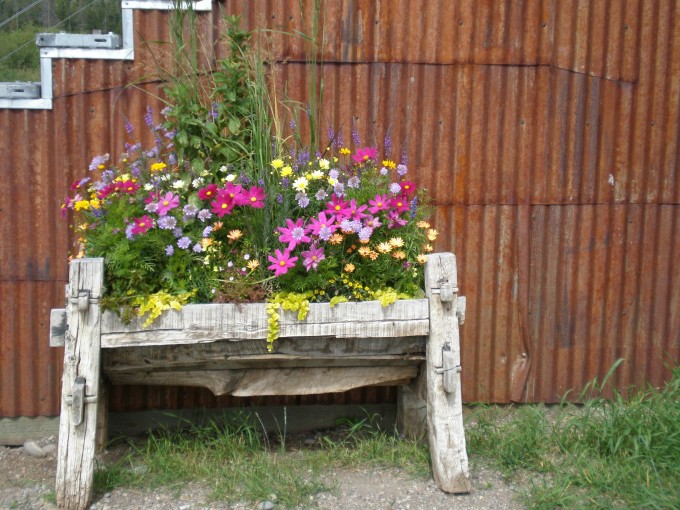
Some Color for a Cold Winter Day

I love this photo; the vibrant colors of the flowers against the rusty siding on the wall behind them. In was taken at the Raptor Rehabilitation Center in Wilson, Wyoming, during the summer of 2009.

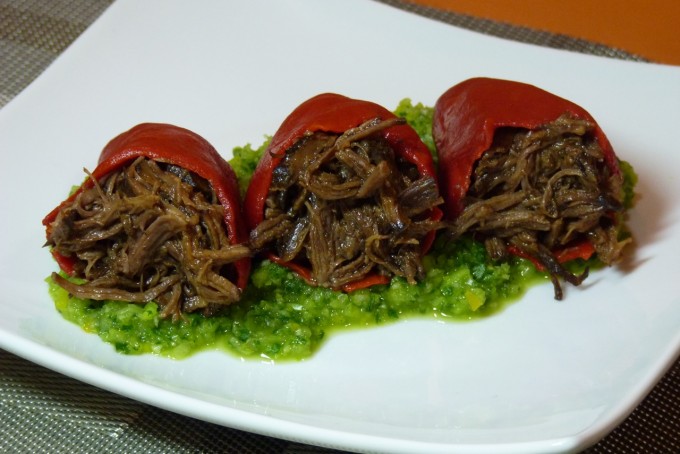
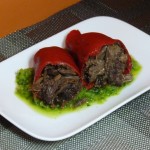
Pequillo Peppers Stuffed with Braised Short Ribs on Sofrito


For Christmas vacation I flew out to Wyoming with India, my 12-year old daughter, a few days earlier than the rest of the family as her vacation started earlier than everyone else’s did. We thought we’d go out and do a little Christmas preparation ahead of time.

As can often be the case, flying into Wyoming in the winter can have it’s challenges. We got diverted Salt Lake City on the leg from Dallas to Jackson because of a storm, and then went back to Jackson only to circle for a few hours and still were unable to land. Diverted back to Salt Lake City for the night, this is an excerpt from an email I sent to my husband and a few friends at the end of this day:

“Having one on of the longest days of my life I was not willing to wait in the ridiculously long line of people waiting for more information (that would no doubt turn ugly quickly on the poor American Airlines representatives that had absolutely no control over what had happened to us). I felt fortunate to have traveled enough with Jim to have learned the ropes of proper traveling. We immediately bypassed the long information-waiting line and I got Jim on the phone where he booked us a hotel room. While he was doing that I got on the “Open-Table” app on my iPhone and searched the area for the best local foodie restaurant and booked a reservation there. We took a cab to the restaurant content with a confirmed hotel reservation made by Jim.

The restaurant made up for the whole day’s bad experiences. If you are ever in the Salt Lake City area you must go and eat at the Copper Onion. We sat at the ‘chef’s counter’ where we were right in front of the chefs watching them prepare all the meals and chatting with them. The food was off-the-hook delicious. I started with shredded beef short ribs stuffed in piquillo peppers on a sofrito sauce. Each bite was more delicious than the last and I literally felt like crying and the sheer deliciousness of it.”

The email continued with the events of that day and the next day. But the point here is that I was bound and determined to re-create this little plate of deliciousness.

Voila.

Success.

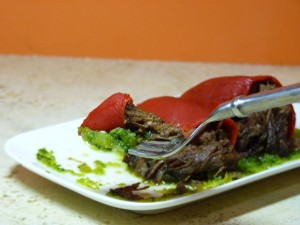
Deliciousness on a plate.

I started with my Braised Beef Short Rib recipe.

Then I found a sofrito recipe online that I adjusted a little bit.

Then for fun I sent my husband out to the grocery store in search of a jar of piquillo peppers along with all of the ingredients listed in the original sofrito recipe. He did a good job for a man that rarely goes to the grocery store. However, some of the ingredients in the original sofrito recipe even had the mexicans working at the local Whole Foods shaking their heads having no idea what the item was, so I adjusted it to make it easier to shop for. Please also note that on the grocery list I requested a red bell pepper as the recipe indicated. Jim came home with a orange pepper. When asked about this he said that the sign above them said ‘red bell peppers’, so even though they were clearly orange, he bought it anyway. Hence, there’s a little more orange and a little less red that the properly sourced sofrito would have.


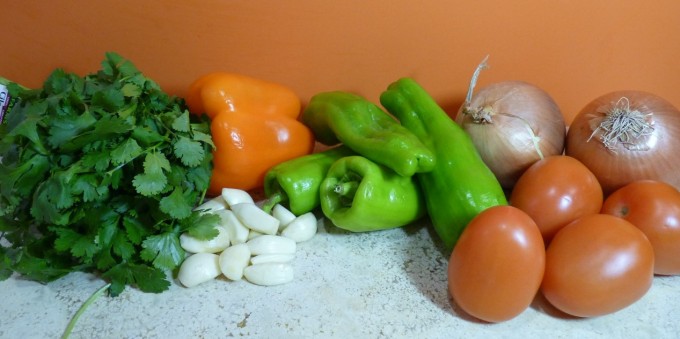
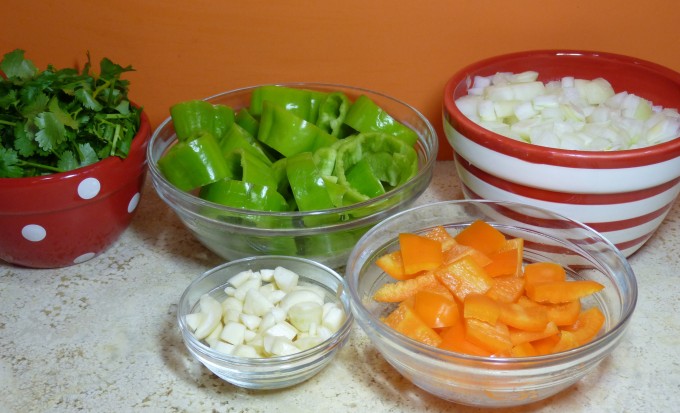
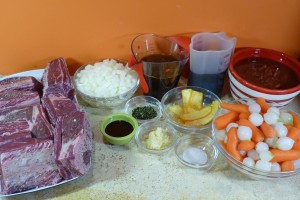
Mise en place all of your ingredients.

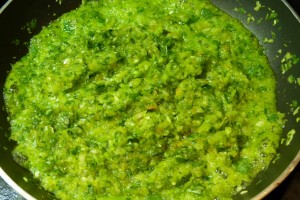
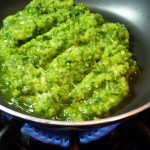
I’m realizing as I’m putting this post together that the tomatoes are missing from the mise en place shot. Guess what? They’re also missing from the Sofrito! I don’t know where they went when I was preparing this, but I suppose that’s why my sofrito turned out so green! All of this goes to show that everyone makes mistakes. The sofrito was still delicious, but if you try it – add the tomatoes.

Sofrito

Original recipe by Daisy Martinez of DaisyCooks.com. Recipe adjusted by Crafty Farm Girl, January, 2011.

Makes about 4 cups.

  • 16 to 20 cloves garlic, peeled
  • 2 medium Spanish onions, cut into large chunks
  • 4 Italian frying peppers or cubanelle peppers, cored, seeded & cut into large chunks
  • 1-1/2 large bunches cilantro, washed & dried
  • Pinch of cayenne pepper
  • 4 ripe plum tomatoes, cored and cut into chunks
  • 1 large red bell pepper, cored, seeded and cut into large chunksSalt & pepper to taste

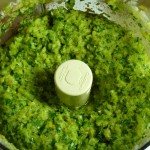
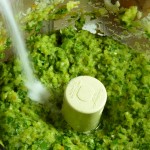
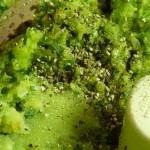
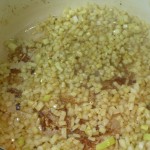
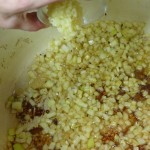
Because I wanted the garlic chopped pretty finely, I added that first. In the work bowl of a food processor process until fairly finely ground. Add the onion and cubanelle or Italian peppers in the work bowl of a food processor until coarsely chopped. Add the remaining ingredients one at a time and process until smooth.


The sofrito will keep in the refrigerator for up to 3 days. It also freezes beautifully. Freeze sofrito in ½ cup batches in sealable plastic bags.

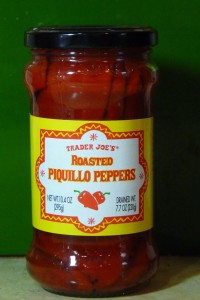
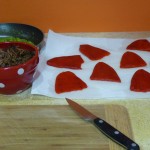
Now to create the stuffed peppers. You’ll need a jar of piquillo peppers. Jim found them at Trader Joes, but I’m sure they’re available at most grocery stores that have a good selection of ethnic foods.

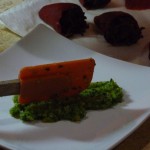
Piquillo Peppers Stuffed with Short RIbs on Sofrito

  • 1 recipe Braised Beef Short Ribs.
  • Jarred Piquillo Peppers (Note: If you use the whole recipe of the short ribs you will probably require 2-3 jars of the piquillo peppers and will probably get about 20-26 stuffed peppers. If you just want a few appetizers, eat the short ribs for a meal and then use the leftovers to create some small plates. That’s what I did and I got about 8 stuffed peppers with the leftovers.)
  • Sofrito (above)

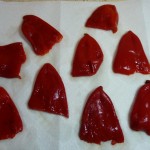
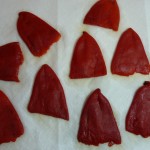
Rinse and wash the peppers in cool water and drain & blot with paper towels to dry them.


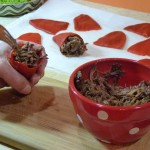
Now I used the leftover shredded short ribs from the night before. Whether you make the short ribs just for this or use make a little extra of the recipe and use the extras for this dish, warm the shredded short ribs in the microwave, stirring occasionally until it’s heated through. I gently heated the sofrito in a pan — just enough to warm it up but not enough to dry out all of the juice. Get your plates ready. Then, take a pepper in your hand and open it up. With a fork take the short rib meat, a little at a time, and stuff it into the pepper. You want to stuff it in pretty hard to fill in nicely, but not so hard that you bust open the pepper.


Lay the stuffed peppers as you finish them back onto the paper towels. When you have stuffed them all lay your plates out and lay down a bed of the sofrito. Place the peppers on the sofrito. Now, I would say that a man a serving of 3 stuffed peppers would probably be best. I way happy with two on my plate. The peppers are fairly large. One would be too few. Four would be too many. You be the judge.


Now let me add here by that the time you’re done stuffing and plating, everything is going to be lukewarm if not cold. You could place the plates in a low oven (like 200 degrees F) for a little while, or what I did was to warm each plate in the microwave on power 7 for about 1-1/2 minutes.

Deliciousness on a Plate

Print This Recipe Print This Recipe

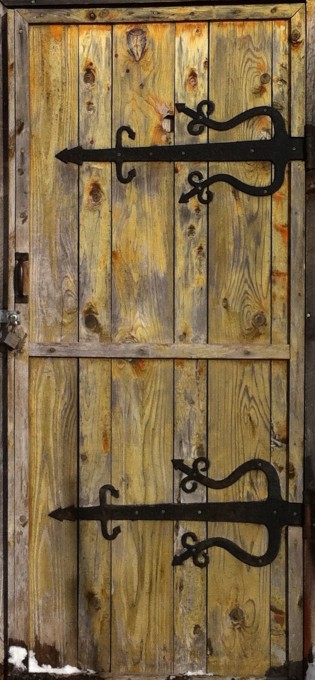
A Beautiful Door

This door was so rustically beautiful. It was made of old barn wood and was this very soft worn barely green color. And can we just talk about those incredible hinges for a minute please?

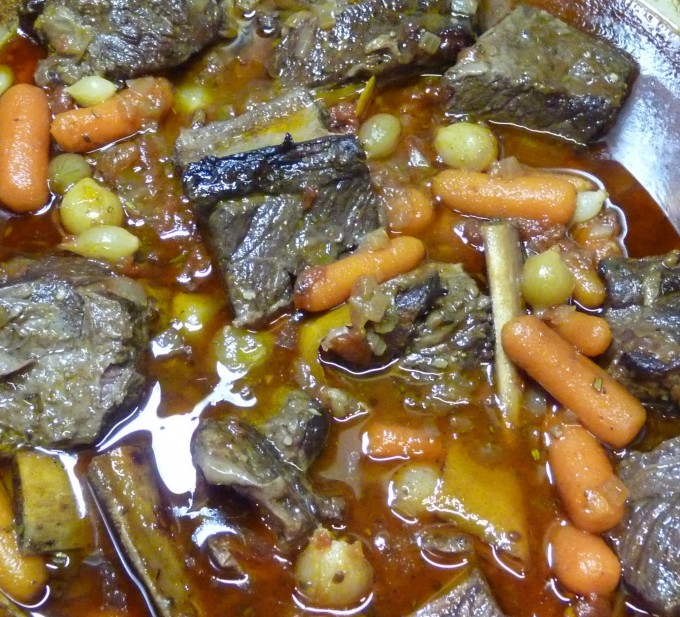
Braised Beef Short Ribs


Braised Short Ribs

Printed originally in Gourmet Magazine, October, 1995, found on Epicurious.com. Revised by Crafty Farm Girl, January, 2011.

Yield: 6 to 8 servings


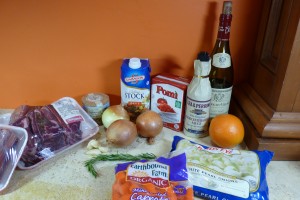
Assemble your ingredients and then “mise en place”. If I teach you only one thing in my life, this would be the most important thing. Before I start cooking anything, I gather all my ingredients and then measure and prepare them as directed in the recipe (i.e., dice onions). Once you learn to do this your cooking life will be much easier. Go to Home Goods or someplace like that and stock up on small nesting bowls in their cookware section. They’re unbelievably handy for holding those ingredients. You should also have a good set of small to really large nesting stainless steel bowls.

Ingredients

6 pounds beef short ribs, cut into 1-rib pieces
1 tablespoon olive oil
3 medium onions, chopped
4 large garlic cloves, minced
1 1/2 cups dry red wine
a 28- to 32-ounce can whole tomatoes including liquid coarsely puréed in a blender
1 1/2 cups beef broth
2 tablespoons Worcestershire sauce
six 3- by 1-inch strips fresh orange zest removed with a vegetable peeler
2 teaspoons chopped fresh rosemary leaves or 1 teaspoon dried rosemary, crumbled
1/2 teaspoon salt
10 ounces pearl onions (about 2 cups), blanched in boiling water 2 minutes and peeled
a 1-pound bag peeled baby carrots

Preparation

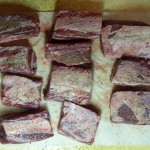
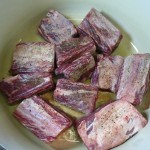
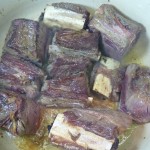
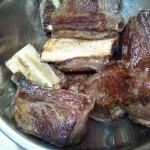
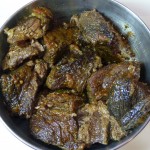
Preheat oven to 250 degrees. Pat short ribs dry and season with salt and pepper. In a heavy kettle (at least 6 quarts) heat oil over moderately high heat until hot but not smoking and brown ribs in batches, transferring with tongs to a large bowl.


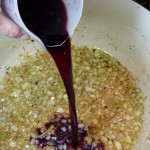
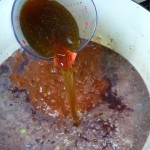
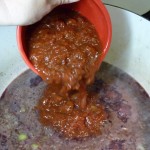
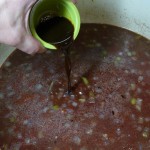
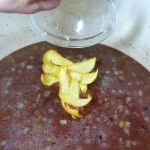
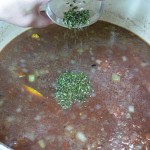
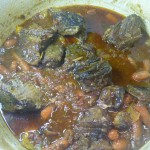
Add chopped onions to kettle and cook over moderate heat, stirring, until golden. Add garlic and cook, stirring, 1 minute. Add wine, tomatoes, broth, Worcestershire sauce, zest, rosemary, and salt and bring to a boil. Add ribs including any juices that have accumulated in bowl and simmer, covered, 30 minutes.


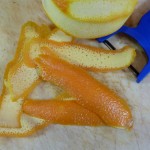
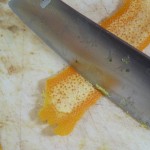
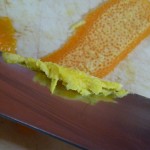
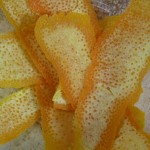
And can we just talk about the orange zest here for a minute? Using a regular peeler, peel large strips off of the orange. However, when doing this you will always get some ‘pith’ on the back of the rind – that white stuff under the skin that is bitter. If you take a small paring knife and, holding the rind down on a cutting board, scrape the pith,. You should be able to remove most of it.

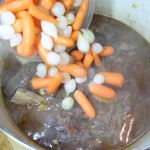
Add pearl onions and carrots, stirring and pushing down to make sure they are covered by liquid and cover. Now the original recipe called for it to be simmered on the stovetop for 1 1/2 hours.

I chose to do this in a low oven rather than the stovetop. “Slow and low” is something I was taught a long time ago. Slow cooking at low temperatures provides moister more flavorful meats. This is a good rule to remember for things like pork roasts too — they have so little fat in them these days that a quick browning and then cook it “slow and low” in the oven and you’ll have a much juicier roast.

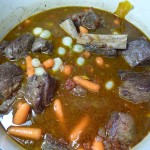
Cook ribs for about an 1 1/2 hours, or until meat is literally falling-off-the bone tender.


Now the original recipe called to do this: Transfer meat, pearl onions, and carrots with a slotted spoon to a large bowl. Discard zest and boil braising liquid, stirring occasionally, until slightly thickened and reduced to about 5 cups. Return meat and vegetables to kettle and cook over low heat, stirring occasionally, until heated through. Stew may be made 3 days ahead and cooled uncovered before chilling covered. Reheat stew, adding water as necessary to thin sauce.

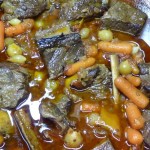
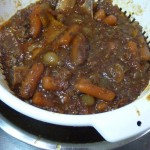
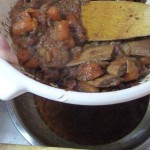
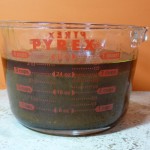
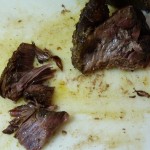
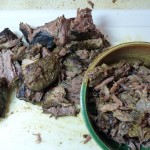
Now while I love short ribs right out of the pot like this as a stew, I chose to do something a little different because I had plans for the leftovers (to be posted next). I decided to make this more of a pulled beef style short rib. I removed the meat from the pot and put in a bowl, removing the bones as I did so. This wasn’t hard as they had all literally fallen out of the ribs while cooking. Discard the rib bones. Then I took all of the other ingredients left in the pot and, with a very large bowl underneath a large colander I poured the ingredients into the colander and drained the juice, pressing down with a wooden spoon to extract as much juice as possible.


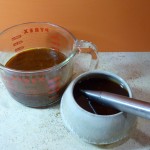
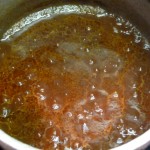
Now once the collected juice has settled there will be a bit of grease on top you’ll want to skim off. I used a turkey baster, but you can use a spoon or one of those grease separator cups if you have one. Once that’s done pour the liquid into a small heavy saucepan and on low-medium heat bring to a slow boil and reduce until thickened, about 10-15 minutes.


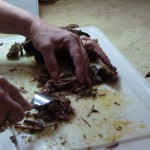
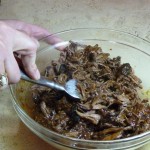
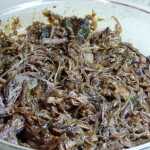
Once the ribs have cooled down enough to handle, one at a time I placed them on a clean cutting board and with a fork I just pulled the meat apart, which is does pretty naturally. If I came across fatty sections (which beef short ribs tend to have), I would scrape that away and set it aside. (my dog will love me forever, for this as he has been the recipient of some of these tender morsels.) As you finish pulling each rib apart put in a large bowl. When done you will have a delicious bowl of fairly fat-free shredded short ribs.


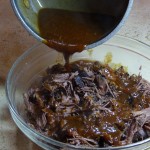
Now, take the reduced sauce and pour it over the shredded short ribs and toss to evenly coat. It’s ready to serve, but you may need to re-warm it a bit by this point.


Now wait until you see what I did with the leftovers next!

Print This Recipe Print This Recipe

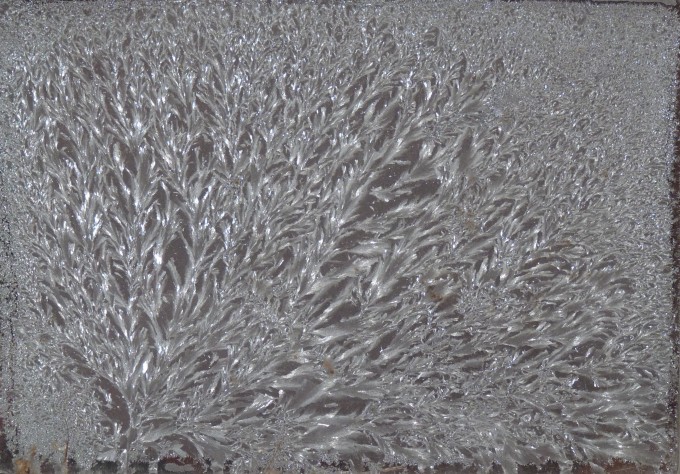
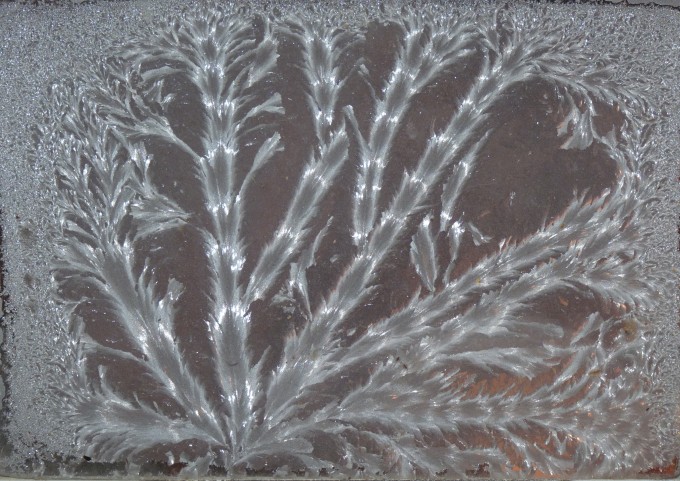
Frost Patterns on the Chicken Coop Windows


It’s so cold out tonight that there the most beautiful frost patterns on the chicken coop windows. I keep a heat lamp in there when it’s this cold out so their combs don’t freeze. I guess the heat inside and the cold outside created these little works of art.